
Since the beginning of marriage, its purpose has been based on financial or business benefits. Today, we tend to hold the opposite belief, where marriage is a loving, committed relationship between two people. Throughout history, marriage and its societal expectations have changed drastically. However, rights surrounding marriage have had a slow progression. A fight we still see in society today is the right to gay marriage.
In the United States, marriage has been heavily institutionalized where it has essentially influenced and supported our gender and family expectations. For example, marriage has been used to support the stereotype of a housewife who takes care of the home and children, while the father works to financially provide for the family. Marriage has effectively assured that these gender expectations continue. Seidman reveals how critics of gay marriage fear that traditional gender and family roles will be lost. He also reveals how critics argued that children wouldn’t have proper gender identities due to not having a mother and father to display gender roles and expectations. Ironically, this supports the institutionalization of marriage and its ties to the state.
Unfortunately, marriage has been weaponized against marginalized groups where married couples are given rights that no other intimate relationship is given. Today, marriage rights shouldn’t only be a concern to gay couples, but also to any other variety of families we see today, such as combined families or cohabitating couples. We see untraditional households and relationships on the rise, yet the rights and benefits surrounding marriage continue to be overlooked. This is extremely important to acknowledge and fight against because marginalized groups are most affected and vulnerable to being without the necessary benefits. An important factor to also point out is the outdated gender role expectations in marriage. We now see a major rise in equality with family roles, where families tend to negotiate roles through discussion rather than unsaid expectations.
Marriage has created a sense of social order where couples who are given the right to marriage are given a first-class citizen status, while gay married couples have a second-class citizen stigma. In modern society, marriage is no longer used to organize gender and family roles, so it should also no longer be a dictator of critical rights and benefits for families. Seidman shares how advocates of gay marriage argue that tradition should not be a guide for the present. In certain circumstances, tradition can be a good thing but when we see such limitations and inaccessibility to those in need, change is necessary. Seidman compares the prejudices towards gay marriage to racial and misogynistic prejudices. Many arguments critics have against homosexuality and gay marriage are based on prejudices.
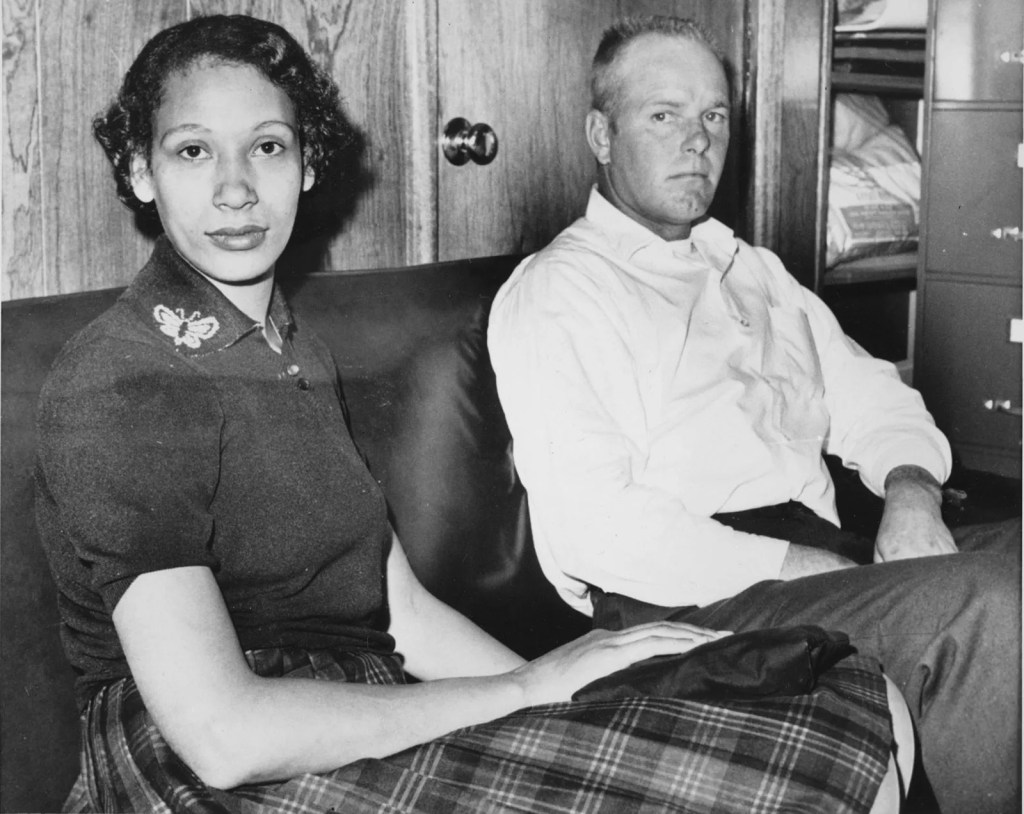
The recent history of marriage in the U.S. makes it clear how institutionalized marriage truly is. Seidman explains how antimiscegenation laws were enacted in 1661 and were not declared unconstitutional until three centuries later, in the Supreme Court case, Loving v. Virginia. Marriage has been used as a weapon to control society with the rights and benefits given to married couples. To fight against state-backed marriage many couples have instead decided to claim “domestic partnerships” and “civil unions”. These titles allow them to gain many of the same rights as state-backed marriages.
Marriage should be a sacred and loving union decided between two people, not a manipulated institution. Historically, marriage has been extremely political and institutional, and does not hold the same definition that many of us believe it to be. To change this, it is incredibly important to advocate for gays and lesbians to have to right to marry. By expanding recognized intimate relationships, we are able to successfully promote more intimate diversity.
References
Seidman, S. (2015). The Social Construction of Sexuality (3rd ed.). W.W. Norton & Company.
 An educational weekly blog post on sex and sexuality in sociology. A college students perspective and insight on her SOC 449 university class.
Leave a comment